


Our News

Our News
Strategic Partnerships Are Redefining the Value of Sports Brands
- 05 Mar 2026
Strategic Partnerships Are Redefining the Value of Sports Brands
Major Deals Reshaping the Global Sports Landscape
Executive Summary
The global sports industry is witnessing a significant transformation in the role of sponsorship and brand partnerships. Strategic partnerships are no longer limited to logo placements or traditional advertising exposure. Instead, they have evolved into long-term value creation mechanisms that enable brands to integrate deeply into sports culture and fan experiences.
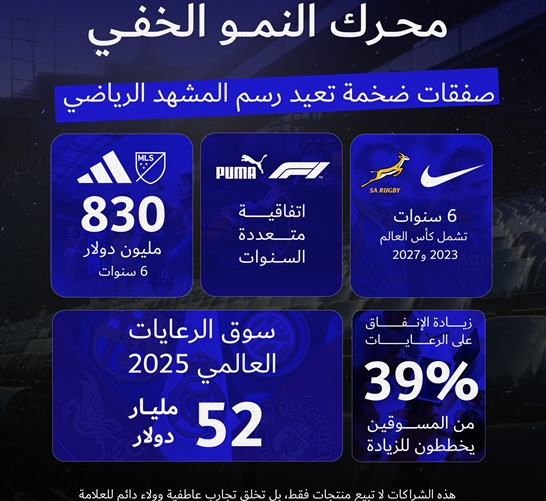
According to industry estimates, the global sports sponsorship market is expected to reach approximately $52 billion in 2025, while 39% of marketers plan to increase their investment in sponsorships. In this evolving landscape, large-scale partnership deals between global brands and sports organizations are playing a pivotal role in redefining brand value and audience engagement.
Major Deals Reshaping the Market
Recent years have seen several high-profile agreements that highlight the growing strategic importance of sports partnerships.
Adidas × MLS
Adidas signed a major partnership agreement with Major League Soccer valued at approximately $830 million over six years, reinforcing the brand’s long-term commitment to expanding its presence within the rapidly growing North American soccer market.
Puma × Formula 1
Puma entered a multi-year partnership with Formula 1 aimed at developing motorsport-inspired product lines and enhancing fan engagement across one of the fastest-growing global sports properties.
Nike × South Africa Rugby
Nike also secured a six-year partnership with South Africa Rugby, covering the 2023 and 2027 Rugby World Cups, strengthening its brand presence in one of the country’s most culturally significant sports.
Why Strategic Partnerships Matter More Than Ever
The increasing scale of these agreements reflects a shift in how brands approach sports as a marketing and growth platform.
1. Emotional Connection with Fans
Sport has a unique ability to create deep emotional connections with audiences. Strategic partnerships allow brands to become part of the fan experience rather than simply advertisers.
2. Global Audience Reach
Major sporting competitions and leagues provide global exposure to millions of viewers, making sports partnerships one of the most powerful marketing platforms available.
3. Innovation in Products and Experiences
Modern partnerships extend beyond sponsorship rights. They now include collaborative product development, digital fan engagement initiatives, and immersive brand experiences.
Strategic Implications for the Sports Industry
For sports organizations, partnerships represent one of the most critical revenue streams and long-term financial stability drivers. For brands, they serve as a gateway into cultural relevance and deeper audience relationships.
Emerging trends suggest that future partnerships will increasingly focus on:
Data-driven fan engagement strategies
Digital and immersive fan experiences
Co-branded product innovation
Long-term strategic alliances rather than short-term sponsorship deals
Conclusion
Strategic partnerships have become a cornerstone of value creation within the modern sports economy.
Brands that successfully integrate themselves into the sports ecosystem through meaningful partnerships do more than gain visibility. They build long-term emotional loyalty with fans, strengthen cultural relevance, and create sustainable commercial value.
As the global sports industry continues to expand, strategic partnerships will remain one of the most influential forces shaping the future of sports marketing and brand growth.